
"Sri Lanka tea"
300 article(s) found

The basic knowledge of coffee beans the origin of coffee coffee practice
The origin of Arabica species is the Abyssinia Plateau of Ethiopia (now the Ethiopian Plateau). In the early days, it was mainly eaten as medicine (Islamic couples used it as a secret medicine to cure body and mind or to awaken the brain). It developed the habit of baking and drinking in the 13th century and was introduced into Europe through the Arab region in the 16th century. It has become a favorite drink all over the world.

When was Arabica Coffee introduced into China the Origin History of Arabica Coffee
Professional coffee knowledge exchange more coffee bean information Please follow the coffee workshop (Wechat official account cafe_style) Arabica is deeply loved by the Chinese with a short history of coffee contact because of its strong fruity aroma. it was introduced to China by missionaries in the 19th century and is widely planted in the dry-hot valley of the Jinsha River above sea level 1000 meters above sea level in Panzhihua, Sichuan and western Yunnan.

How to drink Arabica coffee? introduction to Arabica coffee.
Following caf é (Wechat official account vdailycom) found that Beautiful Caf é opened a small shop of its own Arabica species (scientific name coffee Arabica). Originated in Ethiopia (such as Ethiopia) Abyssinia Plateau (present-day Ethiopian Plateau) Arabica species, initially mainly used as medicinal food, after the introduction of the Arab world into Europe, cultivate the habit of drinking and baking

Do the Arabica coffee beans bought by Starbucks need to be boiled?
Following Kaiping (official Wechat account vdailycom) found that coffee beans need to be boiled when a beautiful cafe opens a small shop of its own. There are many ways to cook, generally using a special coffee machine, there are American coffee machine, siphon, mocha pot, Italian coffee maker and so on, the taste is different. 1. In a broad sense, there are two kinds of coffee beans in the world, Arabica beans and Robosta beans.

Introduction to the regional treatment method of coffee bean species, characteristics, flavor, taste and manor production
Coffee bean species knowledge, flavor, taste, manor production, regional treatment of all coffee, Arabica coffee accounts for 75%, 80%, its excellent flavor and aroma, making it the only coffee that can be drunk directly among these native species. However, it has low resistance to dryness, frost, diseases and insect pests, especially the natural enemy of coffee, leaf rust, so all producing countries are working hard.
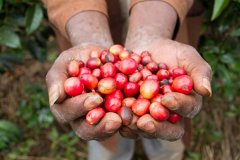
Three native species of coffee: Arabica, Robusta and Liberia
Coffee belongs to the evergreen shrub of the genus Rubiaceae, which is centered in the tropics. There are about 6000 species of Rubiaceae belonging to 500 genera. Coffee has always been considered to have certain effects, such as invigorating the stomach, waking up the brain, stopping bleeding, dissipating heat, strengthening the body and so on. There are about 40 species of coffee plants, but the only ones that can produce coffee beans of commercial value are Arabica, Robusta and Libby.

Introduction to the characteristics of the three native species of coffee is the superiority of Arabica coffee beans so high?
Professional coffee knowledge exchange more coffee bean information please follow the coffee workshop (Wechat official account cafe_style) front street-three major coffee varieties there are about 40 species of coffee, but can produce commercial value coffee beans only Arabica species, Robusta species, Liberia species, these three are called the three major native species of coffee. The origin of Arabica species is Ethiopia.

Panama Estate Coffee Beans
Arabica species originated in Ethiopia's Abyssinia Plateau (now Ethiopia Plateau). It was mainly eaten as medicine in the early stage (Islamic couples used it as a secret medicine for physical and mental treatment or to wake up). In the 13th century, it cultivated the habit of baking and drinking. In the 16th century, it was introduced into Europe via Arabia, and then became a favorite drink of people all over the world.

The difference between the three native species of coffee and the introduction of Arabica and Robusta
Coffee belongs to the evergreen shrub of the genus Rubiaceae, which is centered in the tropics. There are about 6000 species of Rubiaceae belonging to 500 genera. Coffee has always been considered to have certain effects, such as invigorating the stomach, waking up the brain, stopping bleeding, dissipating heat, strengthening the body and so on. There are about 40 species of coffee plants, but the only ones that can produce coffee beans of commercial value are Arabica, Robusta and Libby.

Basic knowledge of Coffee beans (1)
Coffee belongs to the evergreen shrub of the genus Rubiaceae, which is centered in the tropics. There are about 6000 species of Rubiaceae belonging to 500 genera.

What is the fragrance of honey-scented black tea? What's the difference between honey-scented black tea and Ceylon black tea?
This kind of black tea made from Qingxin has a very gentle character. It is slightly sweet and very fragrant; it is for these reasons that it is called honey-scented black tea. This leaflet cultivar has much less tannins than you might be accustomed to, with more tannins and cousin Assam. The previous soaking will give the tea a bright color.

Three original species and basic knowledge of Coffee
There are about 40 species of coffee plants in the three native species of coffee, but the only ones that can produce coffee beans of commercial value are Arabica, Robusta and Liberian. these three species are called the three original species of coffee. 1. The origin of the Arabica species (scientific name Coffea arabica) is the Abyssinia Plateau of Ethiopia (present-day Ethiopia).

The basic knowledge of coffee beans the origin of the species of coffee beans
West Africa, the origin of coffee grown in Liberia, has a strong adaptability to all kinds of environments, such as high or low temperature, humidity or dryness, except that it is not resistant to leaf rust and its flavor is worse than that of Arabica, so it is only traded or planted in some West African countries (Libya, C ô te d'Ivoire, etc.). Among the coffee in circulation in the world market, about

The knowledge of coffee beans what is the knowledge of coffee?
1. The origin of the Arabica species (scientific name Coffea arabica) is the Abyssinia Plateau of Ethiopia (now the Ethiopian Plateau). In the early days, it was mainly eaten as medicine (Islamic couples used as a secret medicine to cure the body and mind or to awaken the brain). It developed the habit of baking and drinking in the 13th century and was introduced into Europe through the Arab region in the 16th century.
Learn about the three native species of coffee
Coffee belongs to the evergreen shrub of the genus Coffea of Rubiaceae, which is centered in the tropics. There are about 6000 species of Rubiaceae plants in this area. Coffee has always been considered to have certain effects, such as invigorating the stomach, waking up the brain, stopping bleeding, dissipating heat, strengthening the body and so on. The more famous Rubiaceae plant is Gardenia jasminoides, whose fruit was dried and used as medicinal material a long time ago.

The difference between Arabica and robusta coffee beans the difference between Robusta and Arabica
Professional coffee knowledge exchange more coffee bean information please follow the coffee workshop (Wechat official account cafe_style) front street-two major coffee varieties introduction coffee belongs to the Rubiaceae coffee evergreen shrubs, mainly planted in the tropical and subtropical areas between the Tropic of Cancer (latitude 2326), this area is also known as coffee belt (Coffee Belt) or coffee area (Coffee Z)
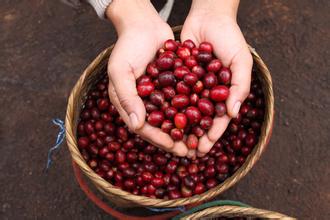
Coffee rookie entry-level learning coffee lesson 1 basic knowledge of coffee introduction to coffee varieties
Coffee belongs to the evergreen shrub of the genus Rubiaceae, which is centered in the tropics. There are about 6000 species of Rubiaceae belonging to 500 genera. Coffee has always been thought to have certain effects, such as strengthening the stomach, waking up the brain, stopping bleeding, dissipating heat, strengthening the body, and so on. The more famous Rubiaceae plant is Gardenia jasminoides, whose fruit was dried and used as medicinal material a long time ago. The three native species of coffee
Japan-"the most expensive coffee"
Coffee first entered Japan, brought by Dutch missionaries and merchants around 1630, when the Dutch desperately promoted coffee to their Asian colonies of Sri Lanka and Java, India. But the Japanese don't accept this weird drink at all. It was not until the Meiji Restoration that Japanese society began to learn from the West that people gradually accepted the advanced West.

Arabica coffee accounts for about 65% and 80% of the world's coffee beans.
Arabica coffee accounts for about 65% and 80% of the world's coffee beans, and its excellent flavor and aroma make it the only coffee among these native species that can be drunk directly and alone. However, its resistance to drying, frost, diseases and insect pests is low, especially to the biggest natural enemy of coffee, leaf rust, so all producing countries are committed to improving varieties. For example, it is well known that

Comparison of the differences between two traditional processing processes of black tea the difference in aroma and taste between CTC and traditional methods
Tea-making craft tea (tea trees) is grown in thousands of tea gardens and tea gardens around the world. Although tea is produced in dozens of countries, the five traditional tea producing regions are China, Japan, India, Sri Lanka (Ceylon) and Taiwan (Formosa). Like wine, plant varieties, soil types, altitude